INBRAIN Neuroelectronics Partners with Mayo Clinic to Advance Graphene-Based Brain-Computer Interfaces
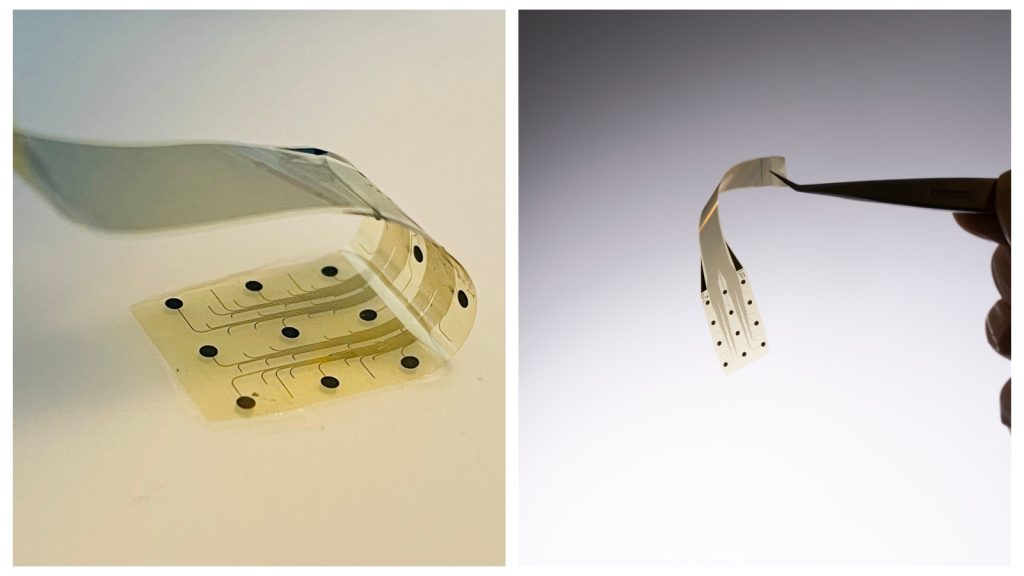
Barcelona-based INBRAIN Neuroelectronics announced a collaboration agreement with Mayo Clinic to advance the development of its graphene-based brain-computer interface therapeutics (BCI-Tx). The partnership will focus on knowledge sharing and hands-on evaluation of INBRAIN’s investigational platform in institutional review board–approved settings, with the aim of accelerating clinical evidence generation for neurological disorders.
The agreement is non-exclusive and will leverage Mayo Clinic’s expertise in neurology to validate the performance of INBRAIN’s BCI-Tx in real-world workflows. The company’s platform integrates graphene electrodes and artificial intelligence to interface with the brain at high precision, with potential applications in Parkinson’s disease and other neurological conditions where existing treatments remain limited.
As part of its U.S. expansion, INBRAIN has also announced the formation of a subsidiary with offices in Boston and on the West Coast. The Boston office will serve as the hub for clinical trials and commercialization initiatives in the United States, complementing the company’s global headquarters and research operations in Barcelona.
INBRAIN is simultaneously advancing scalable manufacturing of its graphene-based interfaces to prepare for broader clinical adoption. To date, the company has secured $124 million in financing from a group of medtech and deeptech investors, including Mayo Clinic, the European Innovation Council, and multiple European and U.S.-based venture funds.
Mayo Clinic, which has a financial interest in the technology, stated that any revenue generated from this collaboration will be reinvested into its not-for-profit mission in patient care, research, and education.
The collaboration reflects growing industry momentum around the use of graphene, a highly conductive and flexible material, in next-generation neurotechnology. With continued validation, INBRAIN aims to position its BCI-Tx as a clinically viable therapeutic option for patients with neurological diseases who have limited alternatives.