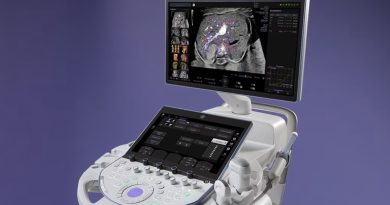
Philips Enhances EPIQ Elite and Affiniti Ultrasound Systems with AI-Powered Workflow and Imaging Innovations

Philips has unveiled the Elevate software update for its EPIQ Elite and Affiniti ultrasound platforms, introducing AI-powered automation and enhanced imaging capabilities designed to accelerate diagnostic workflows and improve clinical confidence. As healthcare systems grapple with increasing patient volumes and workforce shortages, the new release aims to reduce exam times, enhance diagnostic precision, and simplify training for new imaging professionals.
With over 100 new image quality presets across various clinical applications, including abdominal, vascular, small parts, pediatric, and OB/GYN imaging, the latest enhancements provide improved precision and consistency. The update also strengthens cybersecurity, incorporates remote software upgrade capabilities, and integrates Collaboration Live for virtual consultations, remote diagnostics, and real-time troubleshooting, further optimizing digital ecosystem support for healthcare providers.
“We worked with leading imaging professionals to enhance every step of the ultrasound exam, leveraging AI to introduce the most significant advancements in high-end ultrasound in over a decade,” said Bita Alu, Business Leader for General Imaging, Point of Care, and Women’s Health at Philips Ultrasound. “By streamlining workflows and reducing training time, our latest innovations help imaging professionals achieve confident, first-time-right diagnoses, improving patient outcomes while addressing staffing challenges.”
The new software introduces automation features such as Quick Launch presets, which reduce routine abdominal exam setup times by up to 50%, and CEUS AutoScan, which optimizes contrast-enhanced ultrasound imaging at the pixel level. Additionally, Auto ElastQ accelerates liver elastography exams by up to 60%, aiding in the non-invasive assessment of liver conditions.
For cardiac assessments, Philips’ AI-driven AutoStrain feature automatically selects optimal heart images for strain analysis, ensuring consistency and reducing operator variability. The Affiniti system now includes an AI-enabled automated segmental wall motion scoring tool, enhancing the accuracy of cardiac function assessments and early disease detection.
Expanding AI-driven diagnostics further, Philips has also partnered with Koios Medical to integrate AI-based clinical decision support for breast lesion and thyroid nodule evaluations, reinforcing its commitment to advancing ultrasound imaging technology.